Body Image Therapy in London, Barrie & Toronto
Body image struggles are not about vanity, and they're not a phase you grow out of. They're about the relationship you have with yourself, how you inhabit your body, what you feel when you see yourself, what you allow yourself to do or avoid based on how you look or feel in your skin. That relationship affects how you live.
What is body image therapy?
Body image therapy addresses the relationship a person has with their body: how they see it, how they feel in it, and how those perceptions and feelings shape daily life. It's broader than eating disorder treatment, though the two often overlap.
Body image concerns can include: persistent dissatisfaction with appearance; shame or disgust in response to the body; avoidance of situations involving the body (social events, intimacy, mirrors, medical appointments); distorted perceptions of size or appearance; the impact of body changes from illness, pregnancy, surgery, aging, or weight fluctuation; and the ways diet culture, social media, or specific life experiences have shaped how a person sees themselves.
What brings people to body image therapy?
The experiences that lead people to seek this kind of support are varied:
- Long-standing body shame: a critical internal voice about the body that has been present for years and affects choices, relationships, and quality of life
- Body changes from illness, surgery, or injury that have disrupted the relationship with the body
- Pregnancy and postpartum: navigating significant body changes at a time when cultural expectations around the body are particularly loud
- Aging: the disorientation of a body that no longer looks or functions as it once did
- Disordered eating that hasn't crossed the threshold of a formal eating disorder diagnosis, but is still affecting life
- Body dysmorphic concerns: preoccupation with perceived flaws that is disproportionate to what's actually there
- Wanting to feel at home in your body, possibly for the first time
How does body image therapy work?
Our approach to body image is weight-neutral and informed by Health at Every Size (HAES) principles: meaning we do not work from a framework that treats body size as a health or moral category, and we do not prescribe weight loss, food rules, or "healthy habits" as part of the therapeutic work.
We offer a variety of approaches, including IFS, EMDR, somatic therapy, ACT, CBT, and DBT, that can be beneficial here. Several of these engage with the body directly: not just the thoughts about the body, but the embodied experience itself. Many people who struggle with body image have a complicated relationship with being in their body at all, and therapy that stays purely cognitive often misses this. Trauma-informed frameworks are also central to this work, since for many people, the relationship with their body has been shaped by experiences that were genuinely harmful.
Body image and chronic illness
Chronic illness can significantly disrupt body image in ways that are rarely acknowledged. When your body stops working the way it used to, when it becomes a source of pain or limitation rather than capability, when medical procedures have changed its appearance or function, the relationship with that body often needs to be renegotiated. This isn't a minor adjustment. For many people, it involves real grief.
This intersection of chronic illness and body image is a specific area of clinical focus at Gibson & Associates, informed by ongoing doctoral research in this area. If you're navigating both, you don't have to explain why they're connected, we already understand that they are.

Find a Body Image Therapist in Ontario
Body image therapy is available in person in London, Barrie, and Toronto, and virtually to clients anywhere in Ontario. Extended health benefits typically cover our services as Registered Social Workers (RSWs) and Registered Psychotherapists (RPs): check with your provider for your specific coverage.
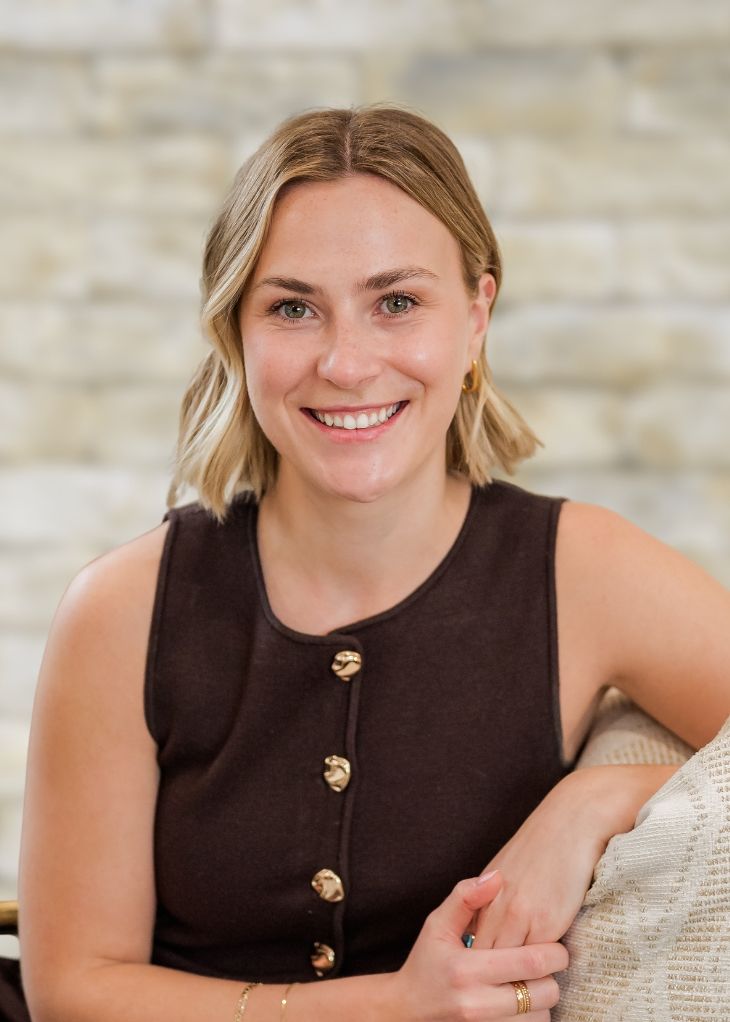
Abby Ajvaz
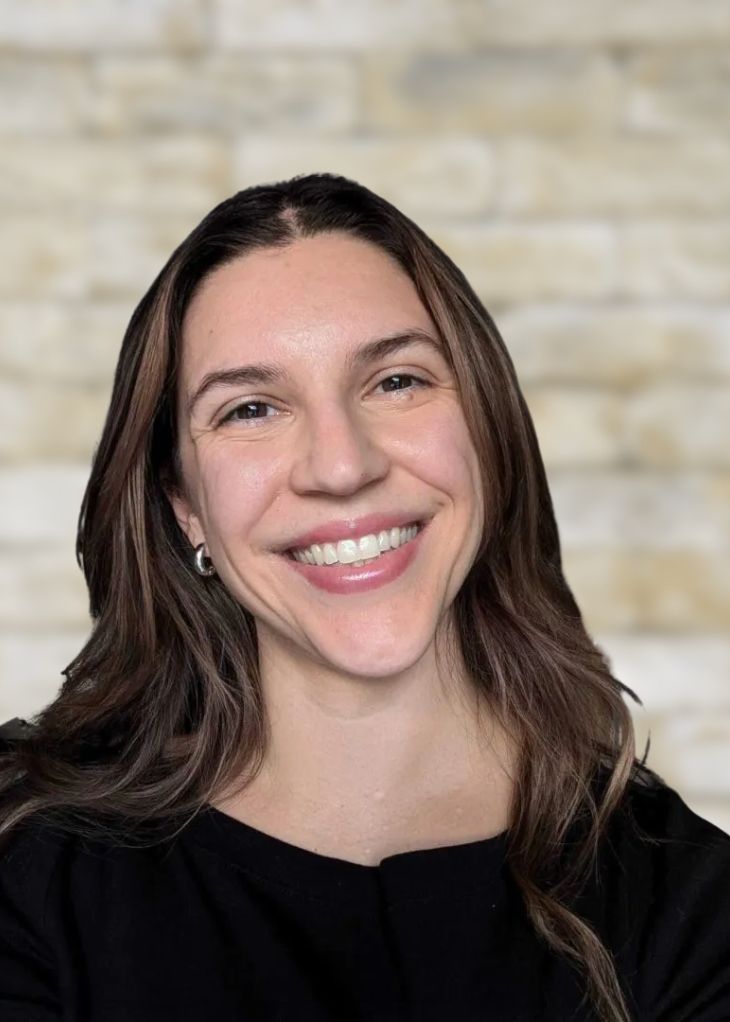
Alyshia Wagstaff
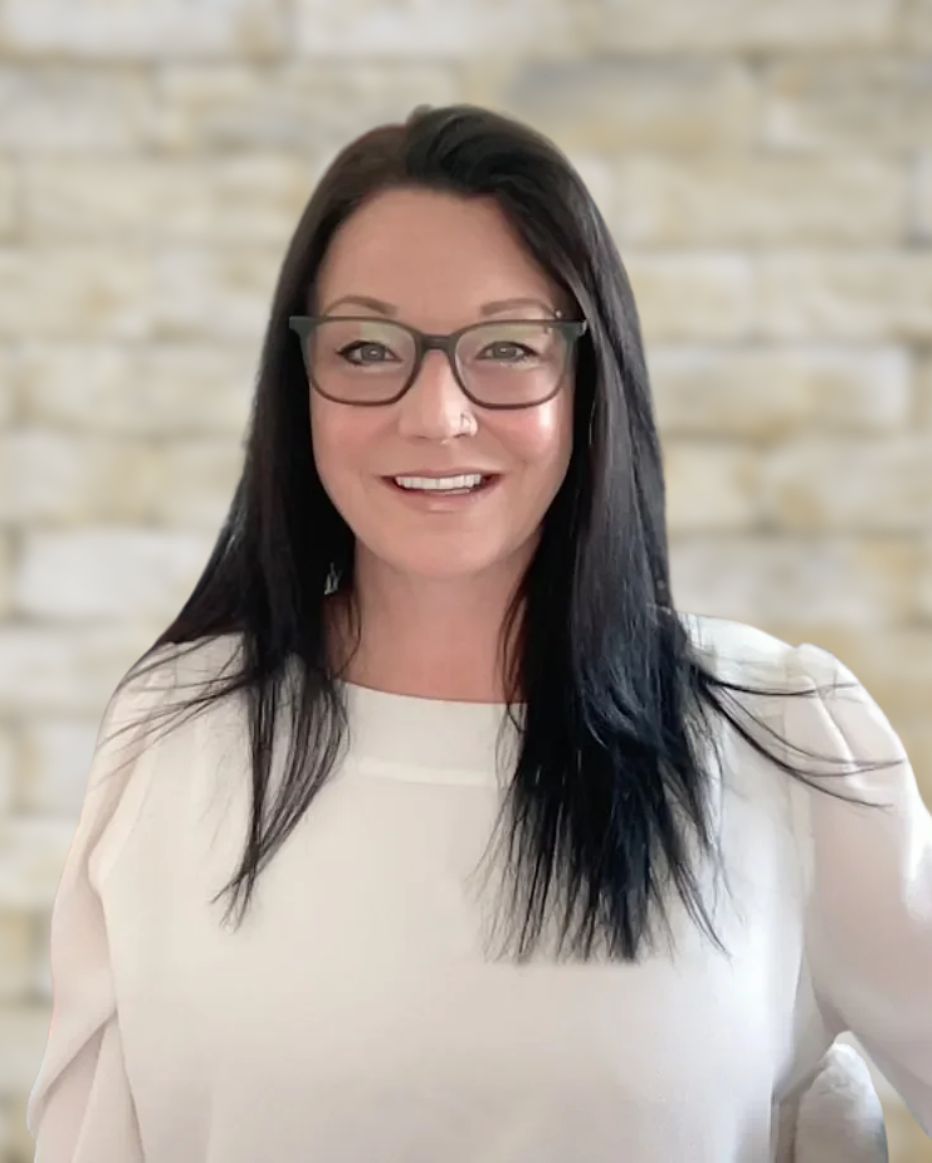
Christie Cortese
FAQs
No. Body image therapy addresses the relationship with your body broadly: not only eating. Many of the people we work with don't have a diagnosable eating disorder; they have a painful relationship with their body that is affecting how they live.
Yes. We don't work from a framework that treats weight as a health or moral category. We don't recommend weight loss, assign food rules, or use approaches that are primarily focused on changing the body's size or appearance. Our focus is on the relationship with the body, not on changing the body itself.
Yes, significantly, and in ways that are often not acknowledged in medical settings. Body changes from chronic illness, surgery, disability, or aging can disrupt how we see and inhabit ourselves. Therapy is one of the most effective ways to navigate that.
We'll have an honest conversation about what level of support is appropriate. For clients who need medical monitoring or intensive structured programming, we can support referrals and work collaboratively with other providers.
Yes. Virtual sessions are available to clients anywhere in Ontario.
Still have questions?
Your relationship with your body matters. If you're ready to work on it, on your own terms, book a free 15-minute consultation.