In-Person & Virtual Spirituality-Informed Therapy in Ontario
Your spiritual life, whether it's a faith tradition you were raised in, a practice you've built on your own, or a set of questions you've never quite been able to settle, is part of who you are. At Gibson & Associates, we don't ask you to leave it at the door.
We work with clients for whom meaning, belief, and connection to something larger than themselves are genuinely alive, even when, or especially when, those things are in question. Whether you're navigating a faith crisis, recovering from religious harm, or simply looking for a therapist who won't treat your spirituality as a symptom, we offer a space where that conversation is welcome.
What is spirituality-informed therapy?
Spirituality-informed therapy is a clinical approach that treats a client's spiritual worldview as a legitimate and meaningful part of their inner life, not something to explain away, and not something to reinforce uncritically either. It doesn't add religious content to sessions, and it isn't affiliated with any tradition or denomination.
In practice, it means your therapist is trained to ask about the role faith, meaning, and spiritual community play in your life: and to work with those things rather than around them. It means your beliefs are treated as a resource, a context, or sometimes a source of pain, depending on your experience. It means you don't have to translate yourself.
We offer a variety of evidence-based approaches, including IFS, EMDR, somatic therapy, ACT, CBT, and DBT, each applied with attention to how spirituality shapes a person's sense of self, relationships, and capacity to heal. Your clinician will work with what fits you.


Who comes to us for spirituality-informed therapy?
People come to us with a wide range of spiritual experiences and concerns. Some of the most common include:
- Faith deconstruction: questioning, leaving, or fundamentally rethinking a religious tradition, often with grief, relief, and disorientation arriving at the same time
- Religious trauma: harm caused by a religious institution, community, or belief system, including spiritual abuse, shaming, or coercive control framed in religious terms
- Spiritual crisis: a diagnosis, a loss, or a life rupture that has shaken a person's sense of meaning or raised questions they don't know how to hold
- Feeling dismissed by previous therapists who treated faith as irrelevant or as something to move past
- Wanting a therapist who can hold space for existential questions: about meaning, mortality, identity, and what a life well-lived looks like, without rushing to resolution
- Navigating tension between a cultural or family religious identity and personal beliefs that have shifted
How does spirituality come into the therapy room?
We follow the client's lead. If your faith or spirituality is a genuine source of strength, we treat it that way, as a resource that can be part of the work. If your religious history has caused harm, we take that seriously without asking you to defend or minimize it. If you're in the middle of something more ambiguous- not sure what you believe anymore, grieving a community you've left, trying to figure out what you still want to hold onto- we can sit in that uncertainty with you.
We don't hold a theological position. We're not here to affirm or challenge your beliefs. We don't bring in scripture, doctrine, or spiritual practices unless you bring them in first. What we do is make room for the full complexity of your spiritual life, wherever it currently is.
Therapy for religious trauma and faith deconstruction
Religious trauma is a real and clinically significant concern. It can emerge from harmful teachings, coercive religious environments, spiritual abuse by leaders or community members, or the internalized shame that some religious frameworks produce. It often goes unnamed for years, because the person suffering doesn't have language for what happened, or because they were taught that the harm was their own failing.
Faith deconstruction: the process of stepping back from inherited beliefs and examining them, is often experienced as a loss even when it's also a relief. The community, the structure, the sense of certainty, the identity: these things don't disappear cleanly. Grief after leaving a faith is legitimate, and it's something we know how to work with.

Find a Spirituality-Informed Therapist in Ontario
Our team of Registered Social Workers (RSWs) and Psychotherapists brings clinical training alongside genuine respect for the complexity of spiritual life. We have offices in London, Barrie, and Toronto, and offer virtual sessions to clients anywhere in Ontario.

Susan (Rose) Tang
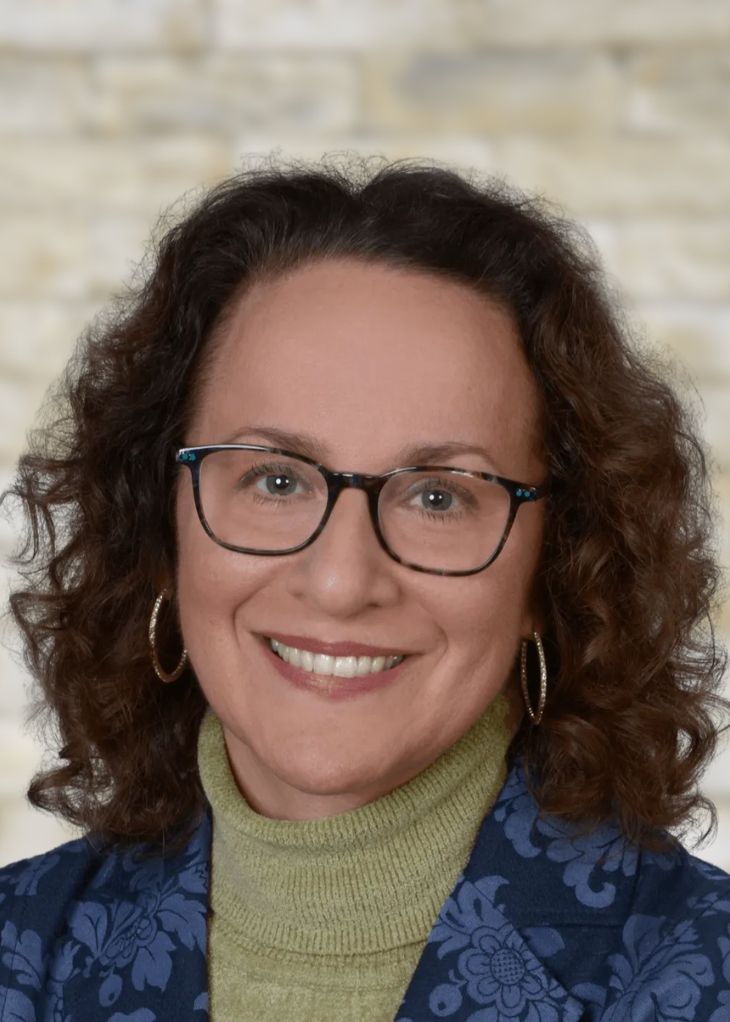
Tracy Shuster
FAQs
No. Christian counselling integrates Christian doctrine, scripture, and faith practices as part of the therapeutic work. Spirituality-informed therapy doesn't draw on any specific tradition, it's for people of any faith background (or none) who want their spiritual life to be taken seriously in therapy. If you're specifically looking for Christian counselling, we'd encourage you to ask about individual therapist fit when you book your consultation.
No. Our role is not theological. We're not here to affirm or question your beliefs. We work with your framework, not against it. The goal is your wellbeing, not your alignment with any theological position.
Yes. Religious trauma is a recognized clinical concern, and our therapists are trained to approach it with care. You won't be asked to defend the institution, reconcile with it, or frame your experience in spiritual terms if you'd prefer not to.
Yes, and this is more common than many people expect. Leaving a faith tradition often means losing a community, a framework for meaning, and sometimes a core part of your identity, all at once. Grief after faith deconstruction is real, and it's exactly the kind of complexity that therapy is well-suited for.
Yes. We offer secure virtual sessions to clients anywhere in Ontario, in addition to in-person appointments in London, Barrie, and Toronto.
Still have questions?
If you're looking for a therapist who will make room for your whole self, including your spiritual life, we'd be glad to connect. Book a free 15-minute consultation.