
What actually happens in a first session
Most people arrive at the first appointment carrying two things: whatever brought them, and the worry that they will not know how to say it. Here is the whole hour, in plain terms, so one of those can be put down before you walk in.
Why You May Still Think About Your Body the Way You Did at 16
Most people arrive at the first appointment carrying two things: whatever brought them, and the worry that they will not know how to say it. Here is the whole hour, in plain terms, so one of those can be put down before you walk in.

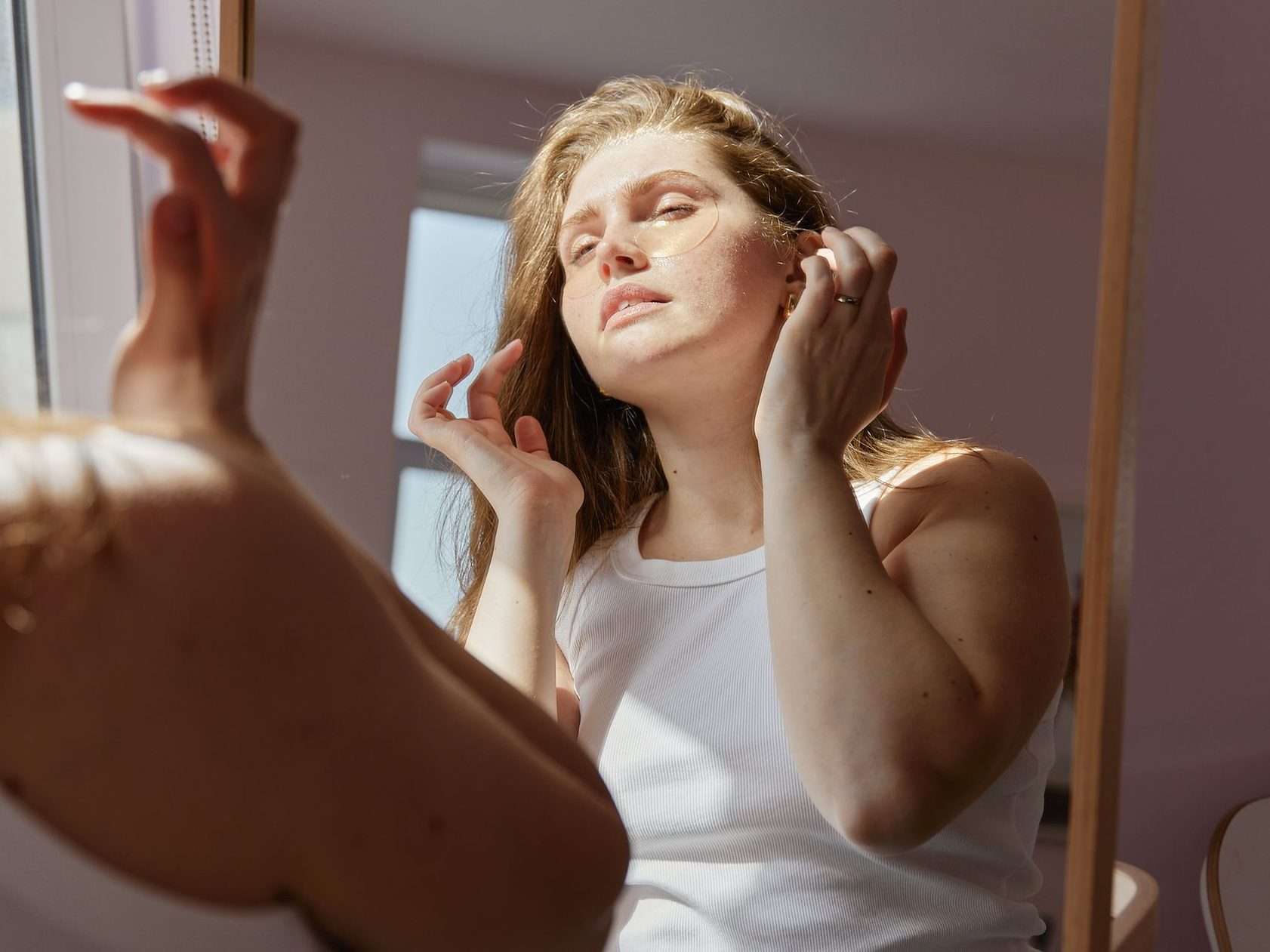
The Weight of Other People's Eyes
Most of us were told what our bodies were supposed to look like before we were old enough to have an opinion about it.
A comment from a parent at the dinner table. A PE teacher who thought they were being motivating. A magazine in a waiting room. A photo somebody tagged you in that you immediately untagged. These things feel small in isolation. They aren't.
By the time we're adults, we've absorbed thousands of messages about what bodies are supposed to look like, what beauty means, and what it says about a person as a whole. Most of us are walking around acting on those messages without even realizing it. That's not a character flaw. That's how social conditioning works.
Body Image Issues Don't Stop When You Grow Up
There's a version of this conversation that focuses entirely on teenagers, social media, and diet culture. That conversation matters. But adults are not immune — the pressure just changes shape.
It shows up in how you talk about your own body in front of your kids. In what you order at a work lunch when people are watching. In how long it takes you to decide whether a photo is okay to post, or whether you go to the beach at all. In how much of your mental energy is quietly occupied, right now, by how you look or how you're being perceived.
For a lot of people, that's more space than they realize. And it's exhausting to carry.
How Social Pressure Shapes Behaviour Over Time
Social pressure around body and beauty doesn't just affect how people feel about themselves. It shapes behaviour in ways that build on each other over time.
Avoidance is a big one. Skipping photos, events, intimacy, job opportunities, or even medical appointments because of how you feel about your body. That's not vanity or shallowness. That's a nervous system trying to protect you from perceived threat. The problem is that avoidance keeps the fear intact. Every time you skip the thing, the belief that your body is a problem gets a little more reinforced.
People-pleasing and self-silencing tend to be connected to this too. If you learned early that your body needed to be managed or improved to be acceptable, you probably also picked up something about conditional belonging — about having to earn your place. That belief rarely stays contained to body image. It leaks into relationships, workplaces, and how you show up in general.
And then there's the constant internal noise: the running commentary, the comparison, the negotiation with yourself in the mirror. It takes up real space that could be going somewhere else entirely.
Where Body Image Beliefs Come From
This isn't random. Bodies have historically been evaluated, policed, and ranked by systems that served a very specific and very narrow idea of who counted. Race, gender, disability, class, and age all intersect with how we're taught to see ourselves and each other — and most of us absorbed those messages long before we had the language to question them.
Understanding that context doesn't make the internalized criticism disappear. But it matters, because it means a lot of that voice in your head isn't originally yours. It was handed to you. Knowing that is actually an important part of being able to put it down.
What Body Image Work Looks Like in Therapy
For some people, body image is the presenting issue. They come in knowing that's what they want to work on. For others, it surfaces as part of something else entirely — anxiety, relationship patterns, perfectionism, a persistent low-level sense of not being enough. When you start pulling the thread, the body stuff is often woven through all of it.
Therapy in this space isn't about learning to love your body on command. That framing carries its own kind of pressure. It's about understanding what you absorbed, where it came from, and how it's been quietly shaping the way you move through the world. It's about having more choice in how you respond to those messages, rather than just automatically living inside them.
That work is slower than a 30-day reset. It's also something that actually lasts.
If any of this resonated, talking to a therapist is a reasonable next step. You don't have to be in crisis for it to be worth your time.
About the Author
Jordan Boyd is a therapist at Gibson & Associates: Psychotherapy, Counselling, and Consulting. Jordan works with adults navigating body image, self-worth, and the internalized beliefs that quietly shape everyday life. Their approach is grounded, non-judgmental, and focused on helping clients understand the root of their patterns — not just manage them.
Jordan Boyd
Jordan takes a warm, collaborative, and mind-body approach to supporting clients through anxiety, depression, trauma, relationship challenges, identity, workplace stress, and life transitions. Drawing on IFS-informed practices, mindfulness, and somatic awareness, they create a supportive space for self-exploration, healing, and meaningful change, with room for a little humour along the way.