
Therapy for Occupational Stress, Burnout & Workplace Trauma in Ontario
There are jobs that take things from you that are hard to name. You see things that stay with you. You carry responsibility for things that matter enormously. You learn to manage in the moment, because the moment requires it, and then the moment is over, and you're still carrying it.
At Gibson & Associates, we work with first responders, healthcare workers, and professionals in high-demand roles who are dealing with the cumulative impact of occupational stress: including PTSD, moral injury, burnout, and the particular kind of exhaustion that comes from a job that demands everything and doesn't always leave room to acknowledge the cost.
Who we work with
We have specific experience working with:
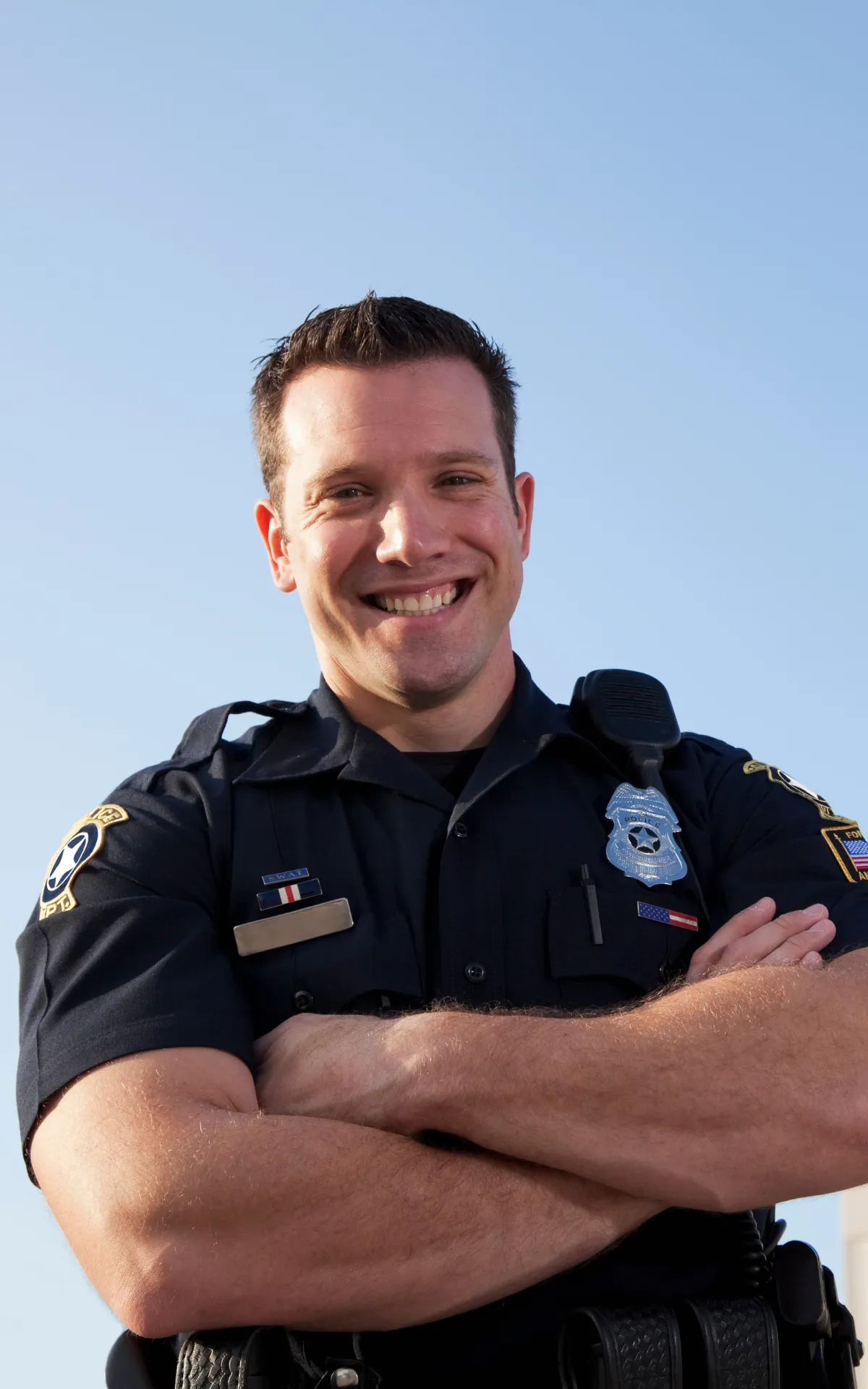
- Police officers: exposure to violence, traumatic incidents, and the weight of authority exercised under pressure
- Firefighters: cumulative exposure to life and death events, physical risk, and often a culture that discourages help-seeking
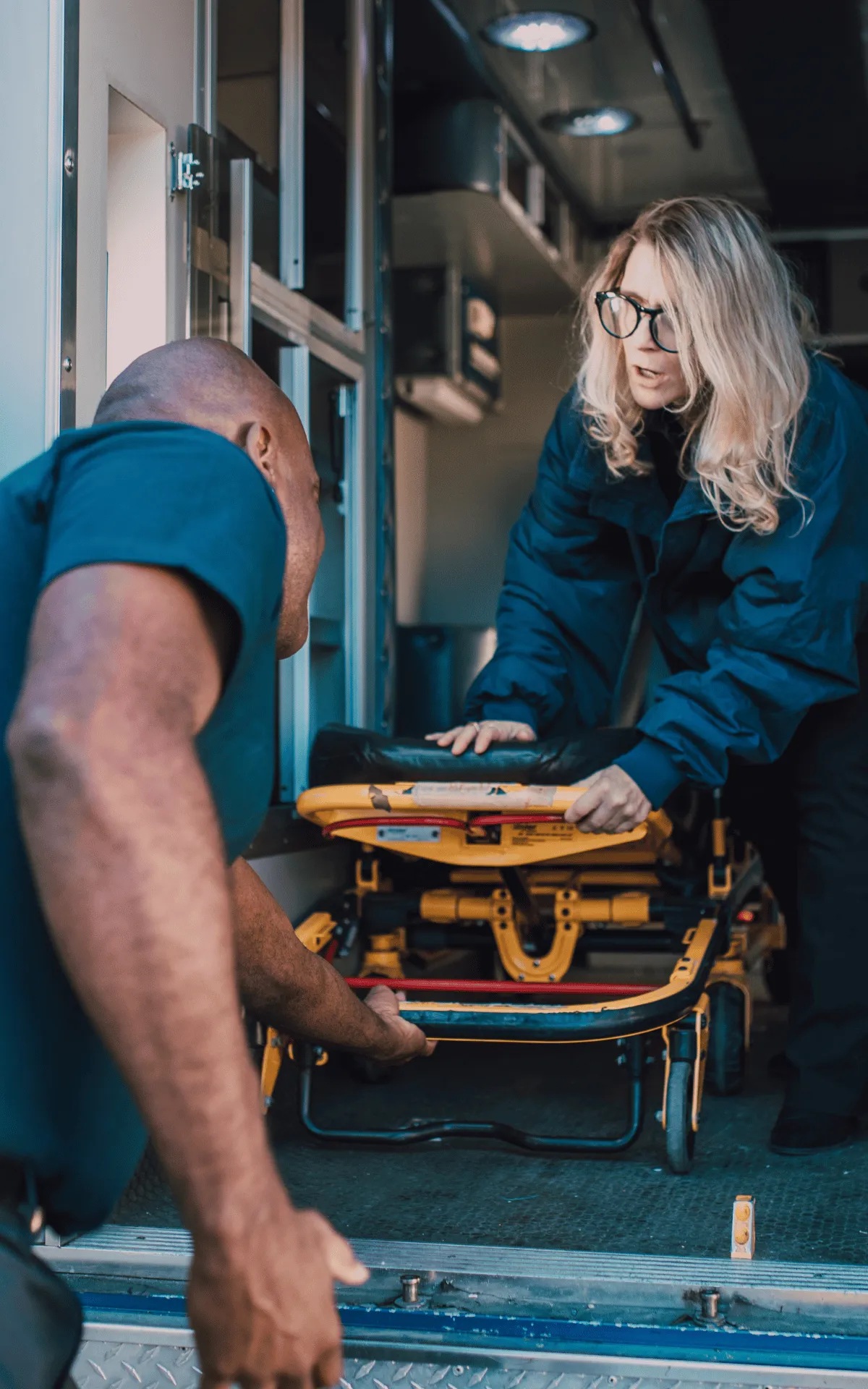
- Paramedics and EMS workers: repeated exposure to medical trauma and human suffering, often with limited debrief or support
- Healthcare workers: moral distress, burnout, compassion fatigue, and the particular weight of the post-pandemic healthcare environment
- Corrections officers and other frontline public service workers: occupational stress in environments that are largely invisible to the public
- Professionals in high-pressure corporate, legal, or leadership roles dealing with burnout, workplace trauma, or the aftermath of a difficult professional event
We hold current contracts with Veterans Affairs Canada and the Victim Quick Response Program (London Police Services), and we work with some Employee Assistance Programs. If you're accessing services through one of these pathways, contact us directly to confirm eligibility.

What is moral injury, and is it different from PTSD?
Moral injury is a term that describes the psychological damage that occurs when someone acts in a way that violates their own moral code, witnesses such a violation by others, or is betrayed by leaders or institutions they trusted. It's common in first responders, military personnel, and healthcare workers and it often goes unrecognized because the symptoms can look similar to PTSD but don't always respond to the same treatments.
PTSD is primarily driven by fear: the nervous system's response to perceived threat. Moral injury is primarily driven by guilt, shame, betrayal, and a fractured sense of meaning. A person can experience both. Understanding which, or both, is present makes a significant difference in how therapy is approached.
We are trained to recognize and work with both, and to hold the distinction between them carefully.
Asking for help when your job is to help others
The stigma around mental health help-seeking is higher in first responder and frontline cultures than in almost any other professional context. The expectation is that you deal with it. The fear is that seeking help will be seen as weakness, or that it will affect your standing, your duties, or your career.
We understand this, and we work with it directly. Your sessions are confidential. If you're accessing services through an EAP, your employer receives no information about your sessions or their content. We don't need you to be falling apart to deserve support. We work with people across the full range, from early signs of strain to significant acute crisis.
What occupational stress therapy looks like
We offer a variety of approaches, including IFS, EMDR, somatic therapy, ACT, CBT, and DBT, that can be beneficial for trauma, moral injury, and burnout. We adapt to where you are. Some people want a structured, problem-focused approach. Others need space to talk through what happened before any framework is imposed. We follow your lead.
Virtual sessions are available across Ontario, which matters for people on shift schedules or in communities where privacy is a concern.
This intersection of chronic illness and body image is a specific area of clinical focus at Gibson & Associates, informed by ongoing doctoral research in this area. If you're navigating both, you don't have to explain why they're connected, we already understand that they are.
Find a Occupational Stress & Burnout Therapist in Ontario
Therapy for occupational stress & burnout is available in person in London, Barrie, and Toronto, and virtually to clients anywhere in Ontario. Extended health benefits typically cover our services as Registered Social Workers (RSWs) and Registered Psychotherapists (RPs): check with your provider for your specific coverage.

Shelby Davis-McKie

Stacey Jasinski

Steffanie Kollatos
FAQs
No. Sessions are confidential. If you're accessing services through an EAP, your employer receives no identifying information about what you discuss. There are standard limits to confidentiality (safety concerns) that will be explained in your first session.
No. You don't need a PTSD diagnosis. Burnout, moral injury, work-related anxiety, and general occupational stress are all valid and sufficient reasons to seek support.
Burnout is a state of chronic exhaustion: emotional, cognitive, and physical, that develops from prolonged workplace stress. PTSD develops in response to specific traumatic events and involves intrusive symptoms, avoidance, and nervous system dysregulation. Both are real, both are treatable, and they often co-occur in first responder and frontline populations.
Yes. We hold contracts with Veterans Affairs Canada and the Victim Quick Response Program (London Police Services), and have direct clinical experience with police, fire, EMS, and healthcare workers.
Yes. We understand shift work, variable schedules, and the privacy concerns that can make in-person care in a small community complicated. Virtual sessions are available to clients anywhere in Ontario.
Still have questions?
If work has taken more than you can give, support is available. Book a free 15-minute consultation: in person in London, Barrie, or Toronto, or online across Ontario.