
What actually happens in a first session
Most people arrive at the first appointment carrying two things: whatever brought them, and the worry that they will not know how to say it. Here is the whole hour, in plain terms, so one of those can be put down before you walk in.
Back to School: Why daily rhythms, sleep, and connection Matter in the first weeks
Most people arrive at the first appointment carrying two things: whatever brought them, and the worry that they will not know how to say it. Here is the whole hour, in plain terms, so one of those can be put down before you walk in.

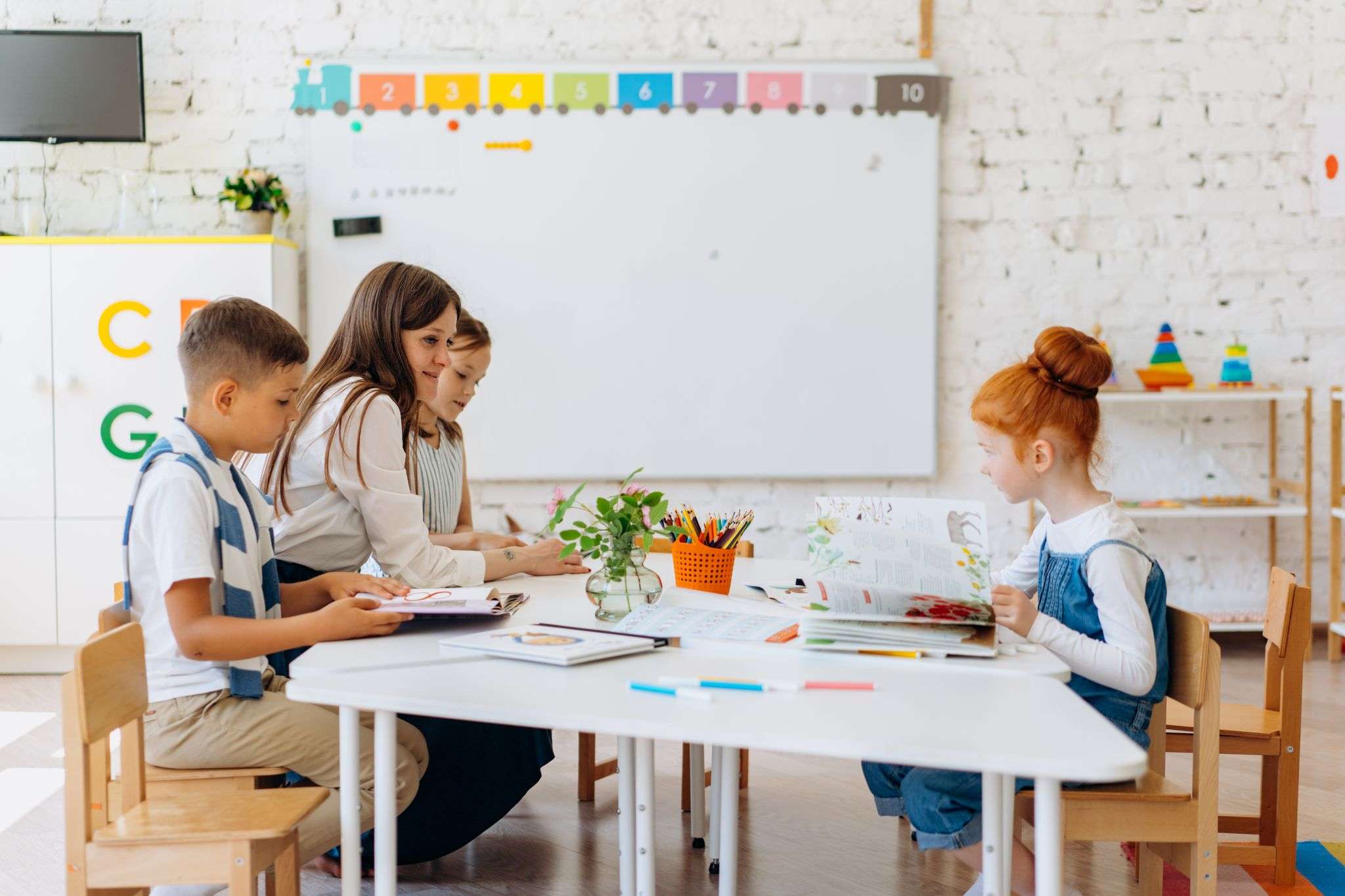
Right now, many families are noticing rising stress, anxiety, sadness, irritability, exhaustion, family conflict, and school avoidance as children adjust to the new school year.
Already, mornings may feel rushed, bedtimes may be getting later, and children may be having a harder time focusing, managing emotions, completing homework, or getting ready for school.
These first few weeks offer an important window to create home rhythms that can shape how children feel throughout the year.
Why the first few weeks matter
Children and teens are adjusting to earlier mornings, busy classrooms, homework, activities, friendships, and new expectations. Their minds and bodies are taking in a great deal each day. A nurturing and predictable rhythm at home gives them space to transition, recover, and prepare for what comes next.
Early in the school year, daily routines can help children understand what to expect. Familiar steps such as coming home, having a snack, taking time to unwind, completing homework, preparing for the next day, and moving toward bedtime create a steady flow.
This structure supports healthy habits, independence, emotional regulation, and life skills while helping family life run more smoothly.
Why bedtime rhythms matter
Before the days become busier, it can be helpful to establish a consistent bedtime rhythm. Dimmed lights, devices put away, a warm shower, clothes and backpacks prepared for the morning, reading together, or sharing a few peaceful minutes can signal to the body that it is time to slow down.
Sleep gives the brain and body valuable time to recover. During sleep, children process what they learned, restore their energy, support their immune system, and prepare emotionally and physically for the next day.
Limited or inconsistent sleep can increase stress, anxiety, sadness, irritability, conflict, and difficulty concentrating. A well-rested child has a stronger foundation for beginning the morning feeling fresh, steady, and prepared to learn.
Connection after a full day
In these early weeks, family rhythms also create meaningful opportunities for connection. A shared meal, a conversation during the drive home, a bedtime story, or a simple question such as, “What felt good about your day?” can help children feel seen and cared for.
A nurturing environment grows through consistency, warmth, and presence. Children benefit from knowing where they can rest, share, laugh, and reconnect after a full day. A predictable home becomes a place where their nervous system can settle and their energy can return.
A rhythm that supports parents too
Now is also the time to create rhythms that support parents. Preparing lunches, clothing, school bags, and schedules ahead of time can reduce morning stress and create more space for enjoyable family moments.
The most helpful routines are clear, regular, predictable, and shaped around the needs of each family. Children and teens can take part by choosing a bedtime activity, packing their bag, setting the table, or helping plan the week.
Notice what your child is communicating
The window is open now to notice what your child’s sleep, mood, energy, and behaviour may be communicating.
A few small changes made early, such as an earlier bedtime, a calmer morning, dinner together, or ten minutes of connection at the end of the day, can create a lasting difference.
A steady home rhythm can ease stress, anxiety, sadness, school avoidance, and family conflict while helping children feel safe, rested, connected, and ready to grow.
Looking for support with Navigating Back to School changes?
Claudia Ceppi, MSW, RSW helps clients develop a deeper understanding of themselves, heal emotional wounds, and create meaningful, lasting change. Their work centres on helping people move through life with greater clarity, confidence, and connection to themselves and the relationships that matter most.
Claudia Ceppi
Claudia supports adults and couples navigating anxiety, panic, low self-esteem, relationship challenges, and trauma. Drawing on advanced IFS, Intimacy From the Inside Out (IFIO), EMDR, and somatic therapy, she helps clients explore underlying patterns, heal emotional wounds, and build stronger connections with themselves and others.