
What actually happens in a first session
Most people arrive at the first appointment carrying two things: whatever brought them, and the worry that they will not know how to say it. Here is the whole hour, in plain terms, so one of those can be put down before you walk in.
When the Highway Feels Like a Threat: How to Overcome Driving Anxiety
Most people arrive at the first appointment carrying two things: whatever brought them, and the worry that they will not know how to say it. Here is the whole hour, in plain terms, so one of those can be put down before you walk in.

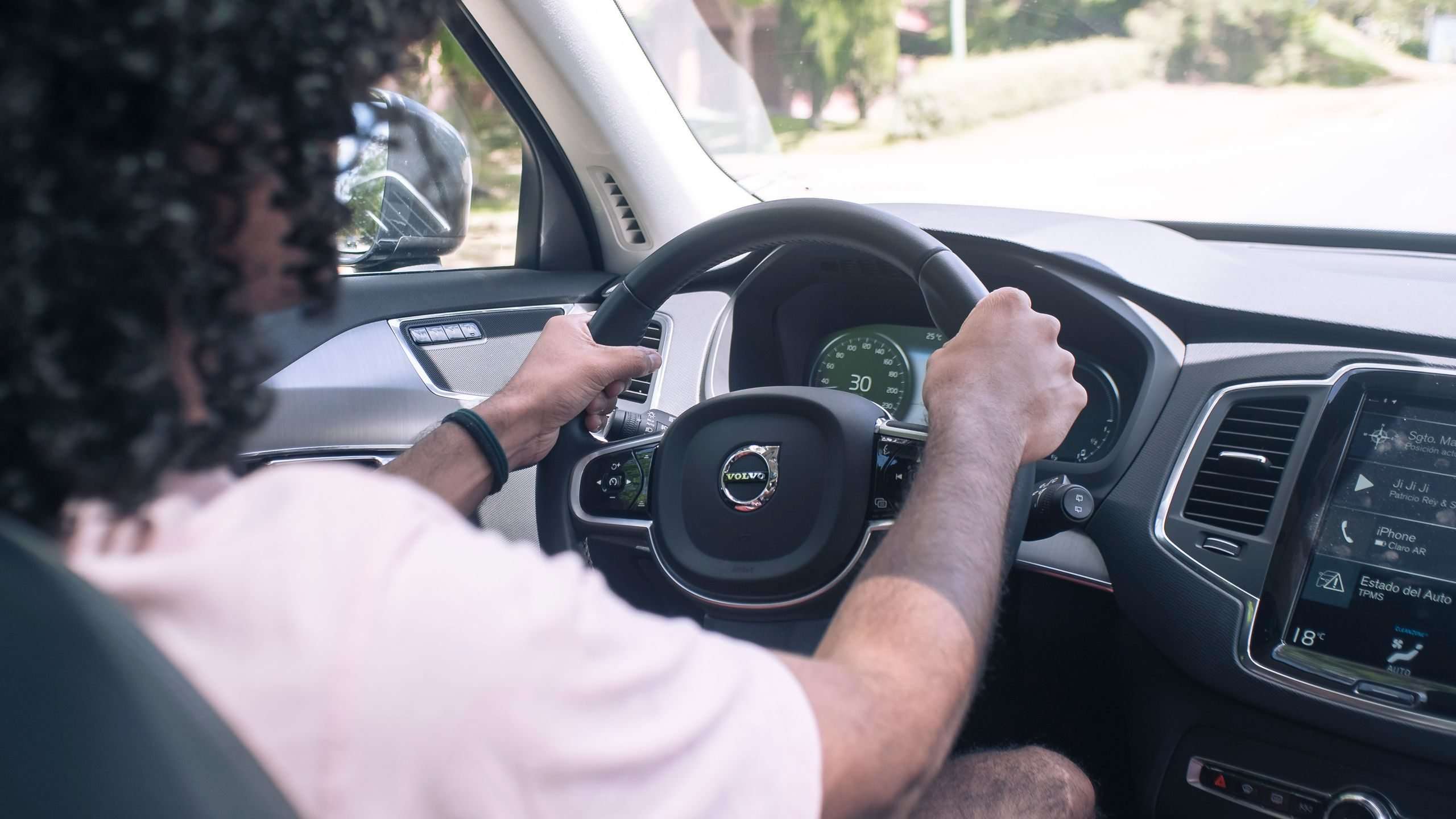
It's a typical morning. You are driving to work, checking your GPS for traffic, and realizing the fastest route requires you to jump on the highway. Immediately, that familiar drop hits your stomach. Your heart starts pounding against your chest, your hands tighten around the steering wheel, and your breathing turns shallow. A quiet, urgent voice inside says: I just can't do this, I can’t merge into the highway today.
If this feels familiar, please know you are not alone.
Between the ages of 25 and 55, life asks a lot of us. We manage careers, go to work, take the kids to activities, take our parents to run their errands, and balance daily and seasonal demands like travelling and driving. Behind a high-functioning routine, many adults carry a silent, heavy weight: a persistent fear of driving, known clinically as vehophobia or amaxophobia. What is this? Panic attacks, nervous driving, phobia of driving.
The quiet science of why this happens
Because driving is such an essential part of our daily routines, experiencing panic behind the wheel can feel incredibly disruptive. Seeking support is a vital step to keep yourself and others safe, prevent accidents, and reclaim the freedom to do your daily normal activities so you can be independent.
“Driving anxiety is one of the most common situational challenges we see in clinical practice. Reaching out for support is key to keeping our roads safe for everyone and helping you get back to your everyday routines." [Harvard Health] [Massachusetts General Hospital]
Studies in the Journal of Anxiety Disorders show that over 12% of adults experience severe driving fear in their lifetime. Another 20% of active drivers struggle with persistent driving distress, and 4% to 6% experience panic so severe that they choose to pause driving, which often limits where they go and what they can do.
For people in their 30s, 40s, and 50s, this fear has real consequences. It can limit job options, make school runs stressful, and shrink your sense of freedom. Yet research shows that most people who struggle with this are actually safe, experienced drivers with no history of major accidents. The panic is your body's survival alarm being activated while you are driving.
Addressing what is causing it and getting to the root of it can help you get back to your regular routines and feel confident again.
Why the Highway Triggers a "Panic Attack"
- Sensory Overload: High speeds and passing trucks force your brain to work overtime to process moving objects, causing deep mental and physical fatigue.
- The System Shock: When your senses feel overwhelmed, your brain instantly sounds a survival alarm, thinking you are in immediate danger.
- Adrenaline Spike: This sensory conflict activates your fight-or-flight response, causing sweating, a racing heart, anxiety and terror.
A quick check-in: Common driving anxiety symptoms
Take a quiet breath and ask yourself these five simple questions. If you find yourself saying "yes" to even 2 or 3, your body's survival alarm is likely taking over behind the wheel, pointing to common driving anxiety symptoms.
- Do you routinely plan longer backroads, use side streets, or altogether avoid highways, bridges, and complex merges?
- Does your body suddenly begin to react physically when you drive, like your heart pounding, palms sweating, or breathing getting shallow, even when driving?
- Do you spend days checking weather apps, planning “alternative routes” to avoid the highways or quiet streets, even if you extend your driving time x 2 before you leave?
- Is your biggest worry about getting into an accident, or causing one if that sudden wave of panic comes up, and it makes it even worse?
- Does your body instantly tense up or experience a surge of nervous energy when a fast car or a long truck passes you, or follows too closely behind you?
Five Somatic Ways to Interrupt the Panic Loop
When panic rises while driving, your thinking brain steps back, and your threat center steps in. The fastest way to settle again is to work through the body. Gentle somatic tools can interrupt the panic response and bring you back to a grounded, peaceful state:
1. The double-inhale sigh:
Take two quick breaths in through your nose, and one deep inhale, followed immediately by a fast second sniff to fully expand your lungs.
Then, let out a long, slow, relaxed sigh through your mouth. Repeating this three times naturally slows your heart rate, keeping you grounded.
2. Ground into your physical space:
Feel your feet solid on the floorboard, notice the grip of your hands on the steering wheel, and let yourself feel the weight of your back resting against the car seat.
It keeps you physically anchored and secure.
3. Soften and widen your gaze:
According to studies at Cambridge, panic causes tunnel vision.
Without moving your head, try to notice the left and right sides of your windshield and your peripheral vision. This wider view tells your brain that it is safe to relax, restoring your focus and confidence.
4. The 5-second breath rhythm:
Breathe in through your nose for 5 seconds, then exhale smoothly for 5 seconds.
Keeping this simple, steady rhythm prevents physical panic from building up, keeping you calm and in control.
5. Use a quick temperature shift:
Studies at Stanford and Yale suggest keeping a cold bottle of water or a small ice pack in the car.
Pressing it briefly against the side of your neck or chest during a stop triggers a reflex that instantly slows your heart rate, helping you feel secure and composed.
Your Long-term support
While breathing and grounding tools help you manage anxiety in the moment, resolving the root of driving panic requires working directly with the nervous system. Because panic is stored physically in muscle tension, breath, and heart rate, body-based therapies are especially effective at restoring a steady sense of safety behind the wheel. These approaches form the gold standard in modern vehophobia treatment, including EMDR, Somatic Therapy, and IFS.
1. EMDR for driving phobia (Eye Movement Desensitization & Reprocessing)
A clinical study published in the Journal of EMDR Practice and Research confirmed that targeted EMDR therapy resolves driving anxiety with exceptionally high efficacy. Researchers found that after only 3 to 8 sessions of reprocessing trauma-linked highway memories (such as past near-misses or sudden highway panic attacks), over 83% of participants reported complete resolution of severe driving avoidance behaviours. EMDR works by helping the patient prevent triggers from getting activated.
2. Somatic therapy for driving anxiety
Research published in the Journal of Traumatic Stress shows that somatic therapy lowers the body’s stress activation in challenging situations. Since survival energy is held in muscle tension and breathing patterns, somatic work helps your system gently release what’s been stored. As your body completes these unfinished stress responses, you regain a natural sense of calm and comfort while driving.
3. IFS therapy for fear of driving (Internal Family Systems)
IFS is recognized as an evidence‑based therapy by SAMHSA, and randomized controlled trials have shown that it reduces anxiety and panic symptoms.
Moving forward at your own pace
Healing happens when you honour your body’s pace. With steady support, confidence returns and everyday routines start to feel free and manageable again. Restore Independence.
The Numbers
12% Lifetime Rate of adults experiencing severe driving fear.
20% of active drivers report feeling driving stress.
33% of post-accident collision survivors develop anxiety
Scientific Sources
This article is grounded in evidence-based research and verified data from peer-reviewed psychological and neurobiological literature:
- Beck, J. G., & Coffey, S. F. (1997) - Post-accident driving phobia patterns.
- Journal of Anxiety Disorders - Specific situational phobia and panic rates.
- Harvard Medical School / Mass General - Stress system responses on expressways.
- Transportation Research - Driving anxiety and avoidance behaviours.
- Yale Autonomic Lab / Stanford Neurobiology - Breathing and thermal nervous system regulation.
Looking for support with travel or driving anxiety?
Claudia Ceppi, MSW, RSW believes that driving anxiety is a physical survival response. With experience in somatic work and EMDR, Claudia can help you teach your nervous system that you are safe in the present moment — even when driving.
Claudia Ceppi
Claudia supports adults and couples navigating anxiety, panic, low self-esteem, relationship challenges, and trauma. Drawing on advanced IFS, Intimacy From the Inside Out (IFIO), EMDR, and somatic therapy, she helps clients explore underlying patterns, heal emotional wounds, and build stronger connections with themselves and others.