What actually happens in a first session
Most people arrive at the first appointment carrying two things: whatever brought them, and the worry that they will not know how to say it. Here is the whole hour, in plain terms, so one of those can be put down before you walk in.
'RIDE THE WAVE' of Emotion
Most people arrive at the first appointment carrying two things: whatever brought them, and the worry that they will not know how to say it. Here is the whole hour, in plain terms, so one of those can be put down before you walk in.

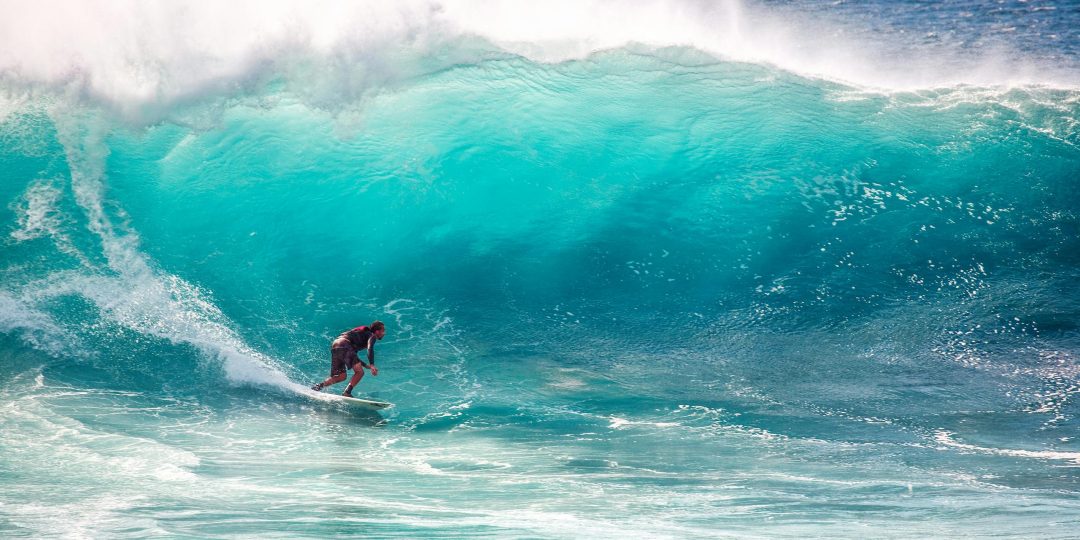
Even if you’ve never actually been surfing, I want you to imagine what it would be like to ride on a surfboard in the ocean. You lie down on your tummy on the board, paddle out from the shore, let the wave pick you up and gently push you back into the shore. There’s not really a lot you have to do other than just letting the wave come and go. You don’t have to fight it or resist it—your job is simply to let the wave carry you, to go with the flow. There’s a rhythm to it, a natural rise and fall.
You can think of emotions in much the same way. Sometimes, when a strong feeling arises—like anxiety, sadness, or frustration—we can think those feelings are going to last forever. But feelings, thoughts, and even worries are just temporary. Just like a wave, they rise up for a few moments then they lower back down again. But emotions, like waves, are temporary. They swell, crest, and eventually fade away. Instead of trying to fight or avoid these feelings (aka letting the wave crash over you), you can instead learn to ride the waveto the other side.
To ride the wave of your emotions, start by naming what you’re feeling. Say to yourself, “I am feeling anxious,” or “I am feeling overwhelmed,” or simply, “I am feeling _______.” This small act of recognition is powerful. It helps you step back from the emotion just enough to observe it, rather than being completely consumed by it. Imagine riding those emotions like you’d ride a wave on a surfboard. You can’t stop a strong wave from taking you into the shore. Don’t try to get rid of the emotion or push it away. Don’t block or suppress it and don’t hold onto it or amplify it. Instead, just ride the wave until you feel better.
Remember, you can’t stop a wave from coming in, and similarly, you can’t stop emotions from arising. So instead of resisting or trying to push away the emotion, try not to suppress it or hold on to it tightly. Avoid making the feeling bigger than it is by ruminating or worrying about it. Instead, practice allowing the wave to carry you forward. Trust that, like the ocean, your emotions will naturally rise and fall, and you will find your balance again.
Here’s a helpful way to remember the steps for riding the wave—think of the word RIDE:
R – Recognize (Recognize & accept how you’re feeling, name it)
Take a moment to notice and accept how you’re feeling. Name the emotion—whether it’s anxiety, sadness, anger, or something else. This acknowledgment is the first step toward managing your feelings.
I – Involve (Involve your surroundings, look around, pay attention to what’s going on around you. Notice who’s there, what people are saying, try 5-4-3-2-1)
Bring your attention to the present moment and your surroundings. Look around and engage your senses. What do you see, hear, smell, feel, or taste? Try using the grounding technique called the 5-4-3-2-1 method: name 5 things you can see, 4 things you can touch, 3 sounds you hear, 2 things you can smell, and 1 thing you can taste. This helps you stay rooted and connected instead of being lost in your emotions.
D – Distract (Focus on something other than your big feeling, talk to someone, watch tv, sing a song, read, practice grounding skills)
Find gentle ways to shift your focus without ignoring your feelings. This might mean talking to a friend, watching a favourite show, singing a song, reading a book, or practicing breathing exercises. Distracting yourself doesn’t mean you’re avoiding your emotions; it’s giving your mind a break while the wave passes.
E – End (let the big feeling fade without a struggle, just like riding a wave on a surfboard)
Allow the big feeling to fade naturally without struggling against it. Like riding a wave to shore, let the emotion rise and fall in its own time. Trust that the intensity will decrease and that you will feel more grounded again.
Riding the wave of emotion takes practice and patience, but it’s a skill that can help you navigate the ups and downs of life with more ease and self-compassion. So next time you feel overwhelmed, remember the image of the surfboard and the ocean: you don’t have to fight the wave—you can ride it, trusting it will carry you safely back to calm waters.
Leanne Eby
Leanne brings nearly 20 years of frontline experience and specializes in supporting individuals of all ages navigating anxiety, depression, stress, and trauma. With advanced training in psychology and a particular focus on anxiety disorders, she draws on CBT, DBT, mindfulness, and EMDR to provide personalized, compassionate care. She also offers creative, child-centred therapy tailored to children's unique needs, interests, and developmental stages.